
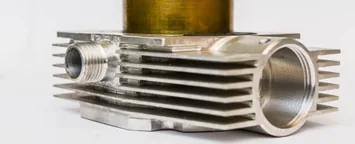
Hydraulic and pneumatic component sourcing with machining-driven quality requirements
Hydraulic Components Machining
Valve bodies, manifolds, actuator housings and pressure-related aluminium parts with controlled machining routes
Hydraulic parts rarely fail because the purchase order was missing. They fail because surfaces, bores, threads, cleanliness and dimensional control were not handled well enough. FILA is relevant when the hydraulic component needs disciplined machining plus finishing and supply continuity, not just basic material removal.
Typical Hydraulic Project Types
Examples aligned with the hydraulics positioning already present on the main site.
Valve Bodies
Internal passages, sealing faces and threaded interfaces that require process discipline.
Manifolds
Multi-operation machining where orientation, repeatability and inspection planning matter.
Actuator Housings
Geometries that combine structural integrity with machining of precision references.
Pneumatic Parts
Components where cleanliness, fit and consistent sealing surfaces are important.
What Matters Most in Hydraulic Machining
These are usually the technical points that drive supplier selection in this category.
Critical Features
- Sealing faces and flatness-sensitive surfaces
- Cross-drilled passages and internal flow geometries
- Thread quality and reference positioning
- Surface quality before plating or corrosion protection
- Consistent geometry across recurring serial demand
What Helps the RFQ
- Pressure environment or end-use context
- Any leak or sealing-critical faces highlighted on drawing
- Requested finish, plating or corrosion resistance route
- Annual volume and release pattern
- Testing or documentation expectations if already known
Why FILA Fits Hydraulic Buyers
The value proposition is strongest when hydraulic parts need a process-minded machining partner, not only a job shop.
Integrated Background
Casting knowledge plus machining capability helps when the upstream material route affects the final hydraulic performance.
Quality Mindset
Traceability, metrology and documented release logic are already central to the FILA positioning on the main site.
Industrial Continuity
Relevant for buyers who need supply continuity and not just a one-off prototype machining vendor.
Hydraulic RFQ FAQ
Short answers before the technical review starts.
Do you machine hydraulic manifolds from cast or wrought material?
Projects can be assessed case by case based on geometry, volume and the best upstream route for the component.
Can you coordinate protective finishing?
Yes. Nickel plating and other downstream finishing needs can be included when relevant to corrosion or application requirements.
How should sealing-critical areas be shared?
Mark them clearly on the drawing or in the RFQ notes. That speeds up feasibility and prevents quoting assumptions that create later risk.
Can you support serial hydraulic demand?
Yes. The site positioning and manufacturing setup are oriented toward recurring industrial supply rather than isolated prototype-only work.
Need machining support for hydraulic components?
Share your drawings, pressure context and critical surfaces, and FILA can review manufacturability and supply fit.